A Turbulent Run-Up to the US Midterms
June 01, 2026

Shutterstock.com/Volodymyr TVERDOKHLIB
Listen to this article
Audio file
Audio is generated automatically and may contain minor inaccuracies.
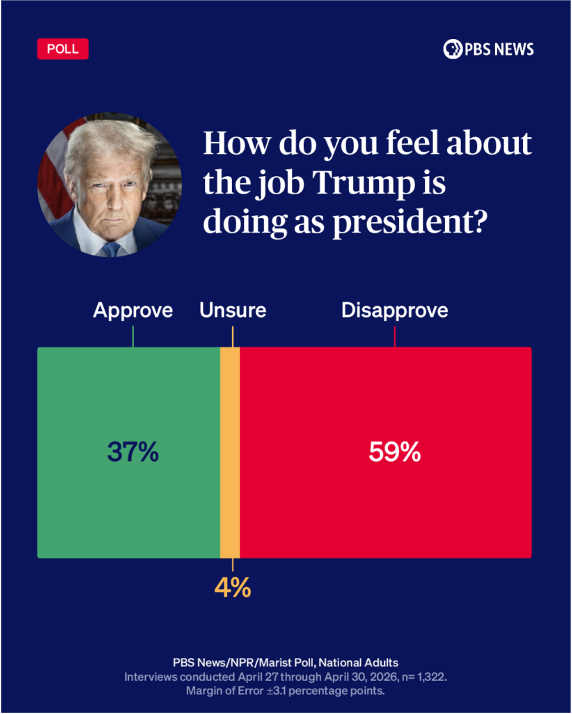
With just five months to go until the US midterm elections, the fallout from an unpopular president and efforts to redraw the boundaries of electoral districts are increasing uncertainty about the potential results of November's vote. Will the Democrats regain control of the House of Representatives? Might they have a chance of doing the same in the Senate?
It is impossible to answer either question at the moment. But recent surveys provide insight into possible outcomes, at least for the moment given the volatile domestic US political environment.
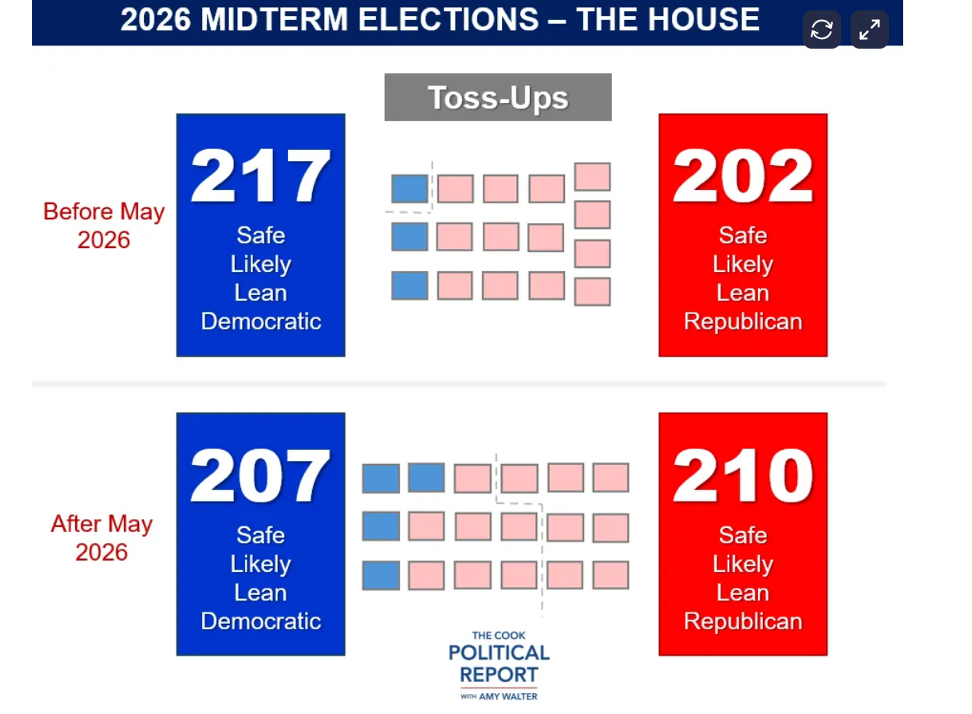
With that caveat, survey data point to a Democratic party riding a surge of enthusiasm. Polling repeatedly shows that Democrats are committed to going to the polls and will likely benefit from a large turnout. However, Republicans are winning the redistricting "wars" in most states changing the borders of congressional constituencies. The party may gain as many as 10 seats as a result of recent court rulings, which makes them significantly more competitive in the race to control the House. The Democrats are still favored to overcome the judicial setbacks, though this is less certain than in the recent past.
As for the Senate, it remains up for grabs. Neither party has an advantage there, and much will be determined by the state of the economy and the results of party primaries over the next several months. Candidates from the far left or far right may ultimately hand victory to their opponents. The Democrats need a net gain of four seats to regain the majority in the upper chamber, but that will be difficult despite the president's low job approval since more Republican-leaning states will elect senators this cycle. (One-third of the Senate is up for reelection every two years.) The races in focus include vulnerable Republican-held seats in Alaska, Maine, North Carolina, and Ohio, while Democrats fight to hold on in Georgia and Michigan. The former leans Democratic, but the latter is a toss-up.
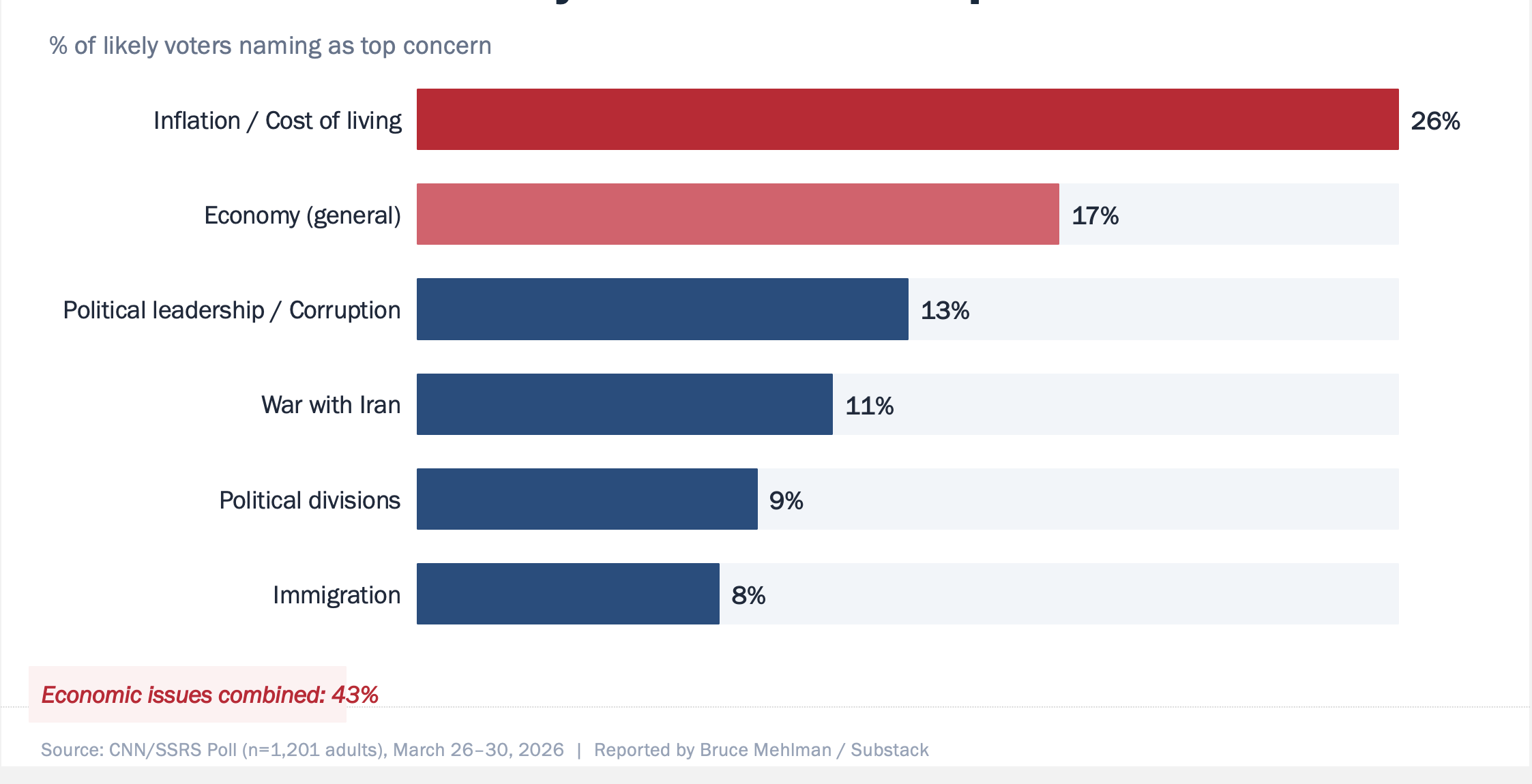
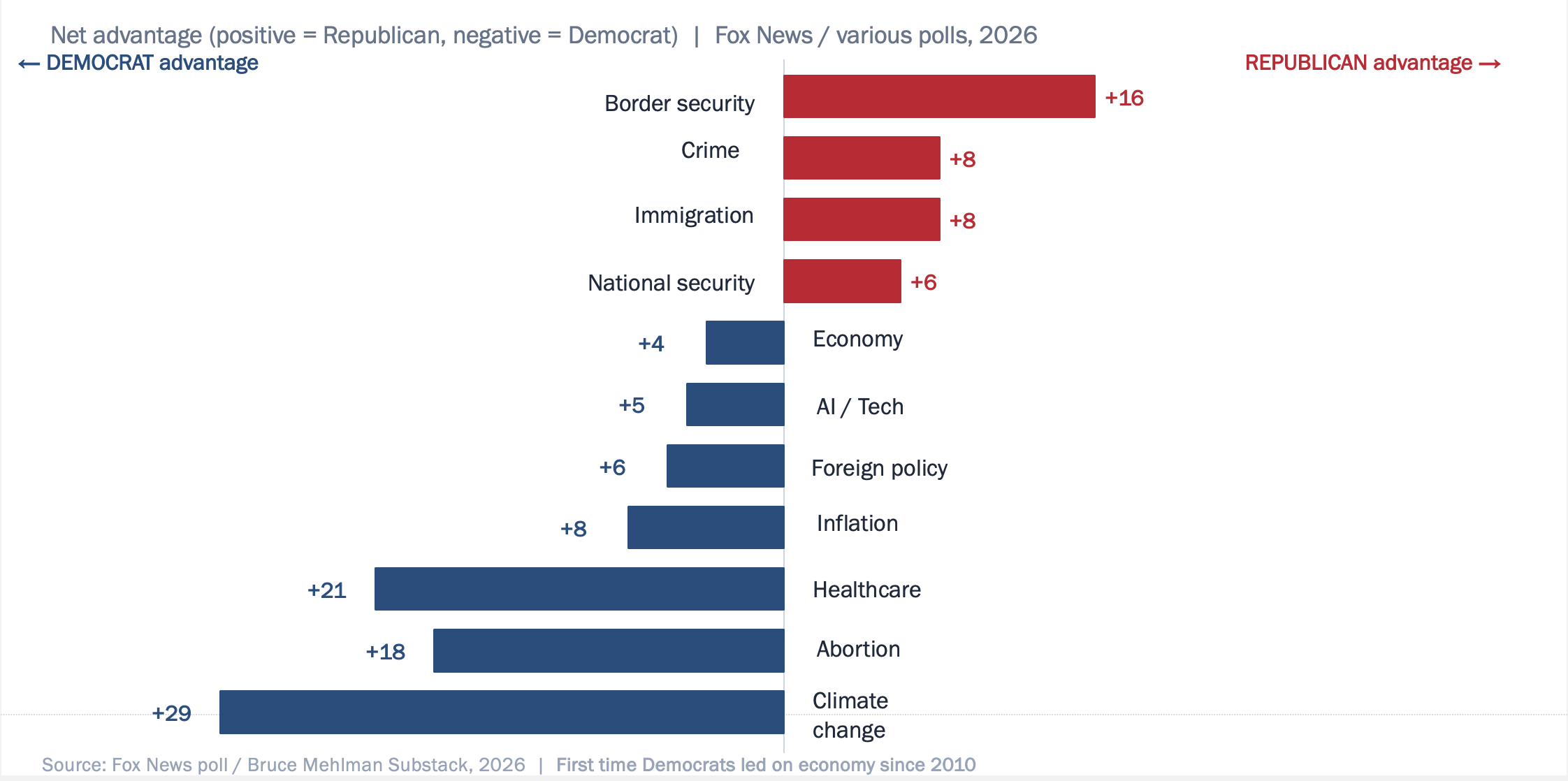
The following graphics present a compendium of recent US public opinion data on issues relevant to the midterms.
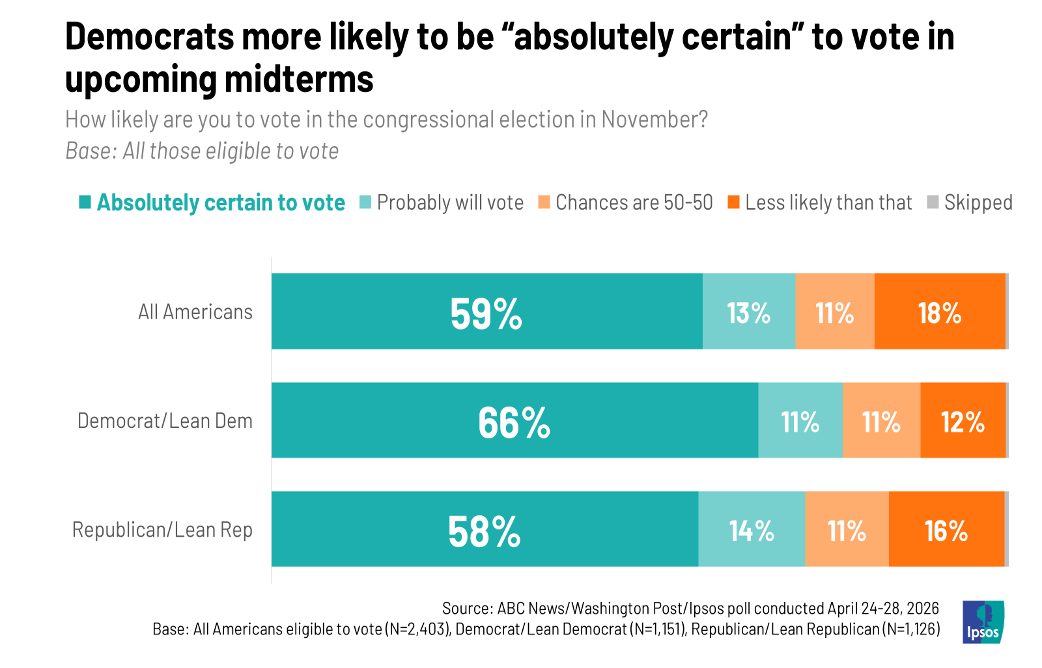
Potential Republican Gains From Recent Court Redistricting Decisions
Political History Works Against Republicans Defending Their Majority in the House of Representatives
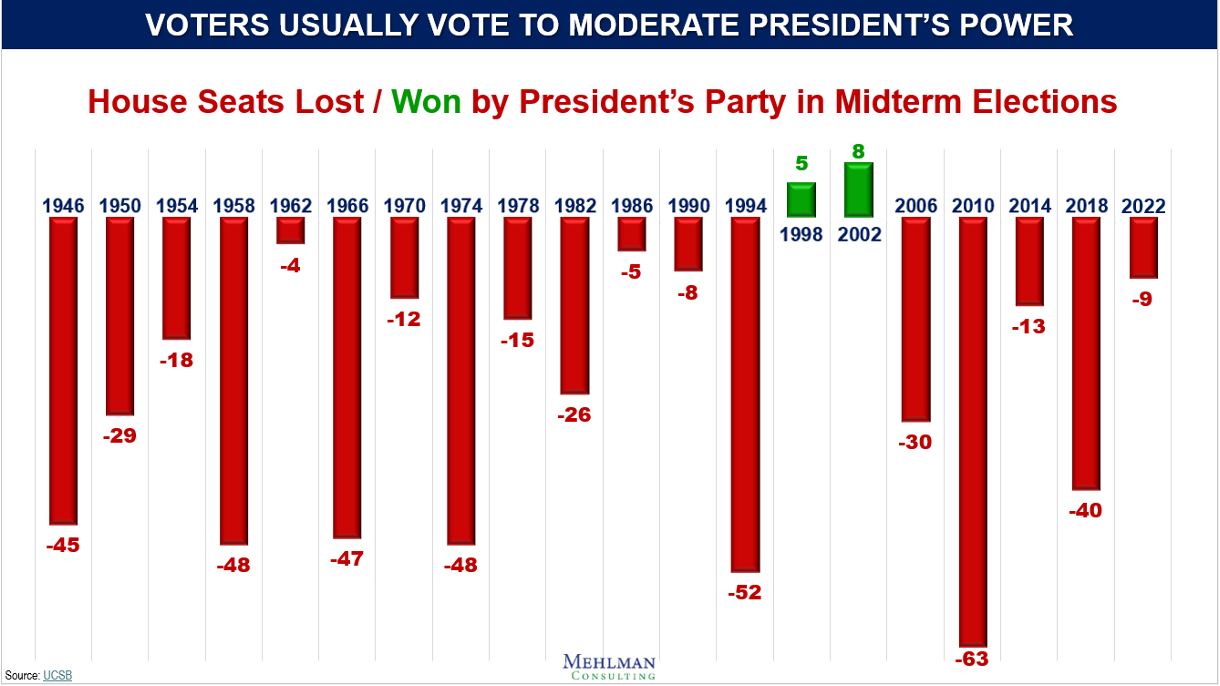
Source: Bruce Mehlman Substack

… and Democrats Are Now Seen as Better Stewards of It
Americans’ Views on Major Foreign Policy Issues
Republicans Sour on NATO
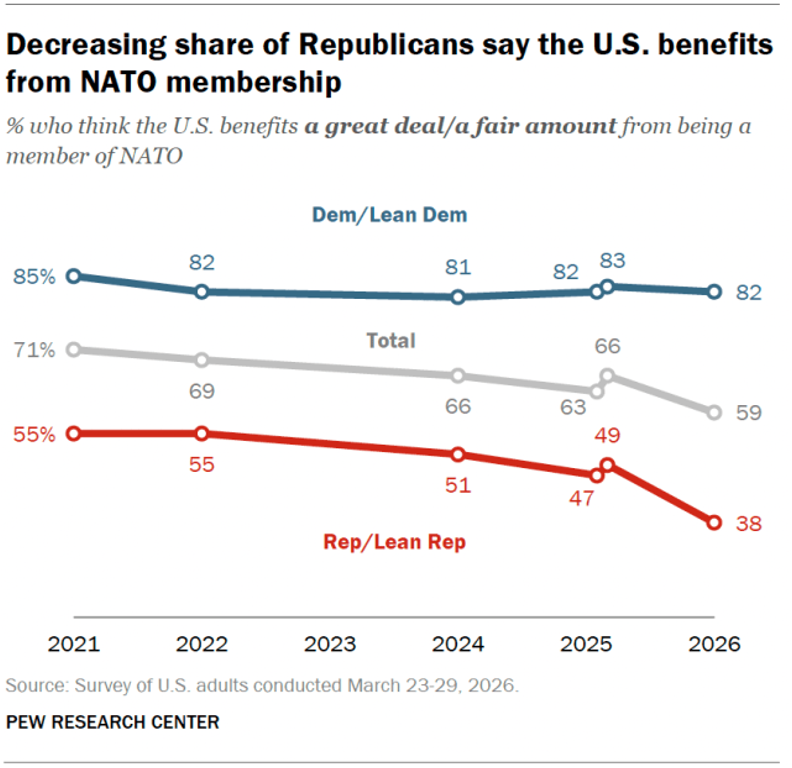
Source: Pew Research Center