The Iran War Deals Ukraine New Diplomatic Cards

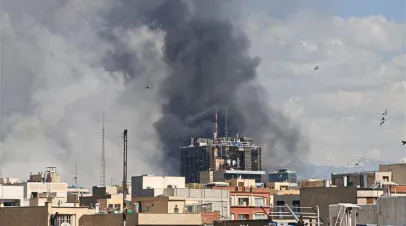
At a first glance, the US-Israeli attacks on Iran and the ensuing escalation of the war appear to have unleashed an avalanche of detrimental implications for Ukraine. With Western attention shifting, oil and gas prices spiking, and inventories of US-made Patriot systems and interceptor missile rapidly being depleted, the Iran war seems to work in Russia’s favor. Yet as the demand for drone interceptors has risen exponentially in the Gulf States that are coming under Iranian retaliatory attacks, Ukraine’s advanced defense-industrial capacity and unparalleled military know-how together create a strategic opening for Kyiv.
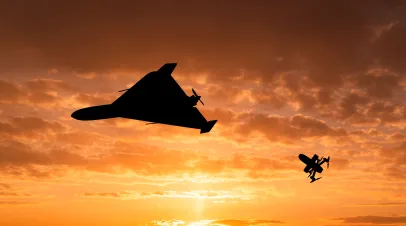
According to Ukrainian President Volodymyr Zelenskyy, Ukraine has received requests for assistance and expertise in countering Iranian Shahed‑type drones from at least eleven states, including those neighboring Iran as well as from the United States and European countries, and has already committed assistance to three—Qatar, the UAE, and Saudi Arabia. This follows his earlier offer to swap Patriot missiles for Ukrainian drone interceptors with the Gulf States. Ukraine’s support in neutralizing Iranian drones before they strike targets in these states or other regional partners would reduce the pressure on them to retaliate, thereby lowering the risk of further regional escalation. Should partners seek them, Ukraine could also provide maritime drones and expertise to detect and mitigate the imminent threat of Iranian sea mines that could block the Hormuz Strait for weeks and months. If Zelenskyy plays his cards right, this emerging role could generate durable leverage and political standing for Ukraine in Washington—leverage that may outlast Russia’s short‑term gains.
As Zelenskyy has stated, in just three days, the Gulf states expended more Patriot missiles than Ukraine has since 2022, rapidly drawing down inventories that will take time to replenish. Not only will this disrupt the already strained supply of the interceptors necessary for Ukraine to protect its citizens from Russian bombardments, but relying on Patriot missiles costing over $1 million each is also an unsustainably expensive way of countering $30,000 Iranian attack drones.
The resulting surge in demand for the much cheaper counter-drone interceptors and military know-how that Ukraine has developed presents an opportunity for Ukraine’s innovative and battle-tested defense industry to become a key strategic partner for the United States and the Gulf States. This is particularly timely as the US administration seeks to be seen as supporting the defense efforts of states in the region that feel the United States has undermined their interests by joining Israel in a gamble for regime change in Iran.
The White House may now regret having reportedly turned down a Ukrainian offer to set up “drone combat hubs” in the Middle East last year. Following the US-Ukraine minerals deal, this now opens a new domain in which Ukraine can actively contribute to US national interests and push back against the image—cultivated by the administration—of Ukraine as dependent on American help and goodwill.
Zelenskyy can also play into a domestic US context in which support for Ukraine remains consistently high in the polls, while a majority of Americans disapprove of the US strikes against Iran. Furthermore, the spike in consumer gas prices in the United States is creating additional pressure on the administration, particularly ahead of mid-term elections, to seek ways to end the Iran war before it achieves any of its shifting end goals—and, with Ukraine’s help, to avert further escalation while repairing strained relations with the Gulf.
In exchange for Ukraine’s assistance, Zelenskyy should go beyond his earlier proposal of swapping Patriot missiles for Ukrainian drone interceptors with the Gulf States and press the United States for urgently needed supplies of Patriot missiles, Tomahawk long range missiles, and other critical military aid. He should reiterate the obvious: Russia has not only enabled Iran to export violence throughout the Middle East, leading the United States to go to war, but it is doing exactly the same in Ukraine, thus exposing the White House’s strategic inconsistency and counterproductive policy of confronting one member of the axis of upheaval while accommodating another.
With the United States and Israel attacking Russia’s long-time partner and client, the strikes constitute yet another major setback for Putin. Moreover, Russia-made air defense systems and other military equipment provided to Iran over the years have been exposed as markedly outclassed by technologically superior US and Israeli air power. Instead of alleviating pressure on Russia, including by waiving sanctions, this is precisely the time for the United States to intensify that pressure. Washington should avoid giving the Kremlin a respite from the revenue drop that was starting to affect Russia’s finances and was creating a future window for genuine peace negotiations. This entails Congress passing sanctions to curb Kremlin oil revenue as well as taking action to curtail Russia’s shadow fleet. This also means that the United States should side more unequivocally with Ukraine—not the Russian aggressor—in the peace talks.
Taken together, these steps suggest a coherent strategic bargain in which Ukraine provides counter-drone technology and expertise in support of Gulf States against Iran and the United States increases its pressure on Moscow and backs Ukraine with the capabilities it urgently needs. This exchange would help the United States reinforce deterrence in the Middle East and strengthen Ukraine’s hand in negotiations with Moscow. It would also enable Kyiv to help prevent further regional escalation of the US‑Israel‑Iran war while advancing the peace process for Ukraine, turning the tables on Putin. The strategic payoff would be a clear victory for the rules-based global order—and American interests—if the White House seizes the opportunity.
The views expressed herein are those solely of the author(s). GMF as an institution does not take positions.
Related Content